
Regenerative Apiculture Working Group (RAWG)
Supporting U.S. Beekeepers in Producing Clean, Verifiable Honey and Regenerative Landscapes
RAWG empowers U.S. beekeepers to produce clean, verifiable honey while enhancing honey bee health and regenerative agricultural landscapes. Through beekeeper-led pilot programs, applied research, and collaborative partnerships, we develop practical systems that improve honey integrity, strengthen colony resilience, and support the long-term viability of American beekeeping.
THE IMPORTANCE OF HONEY BEES TO THE U.S. FOOD SYSTEM
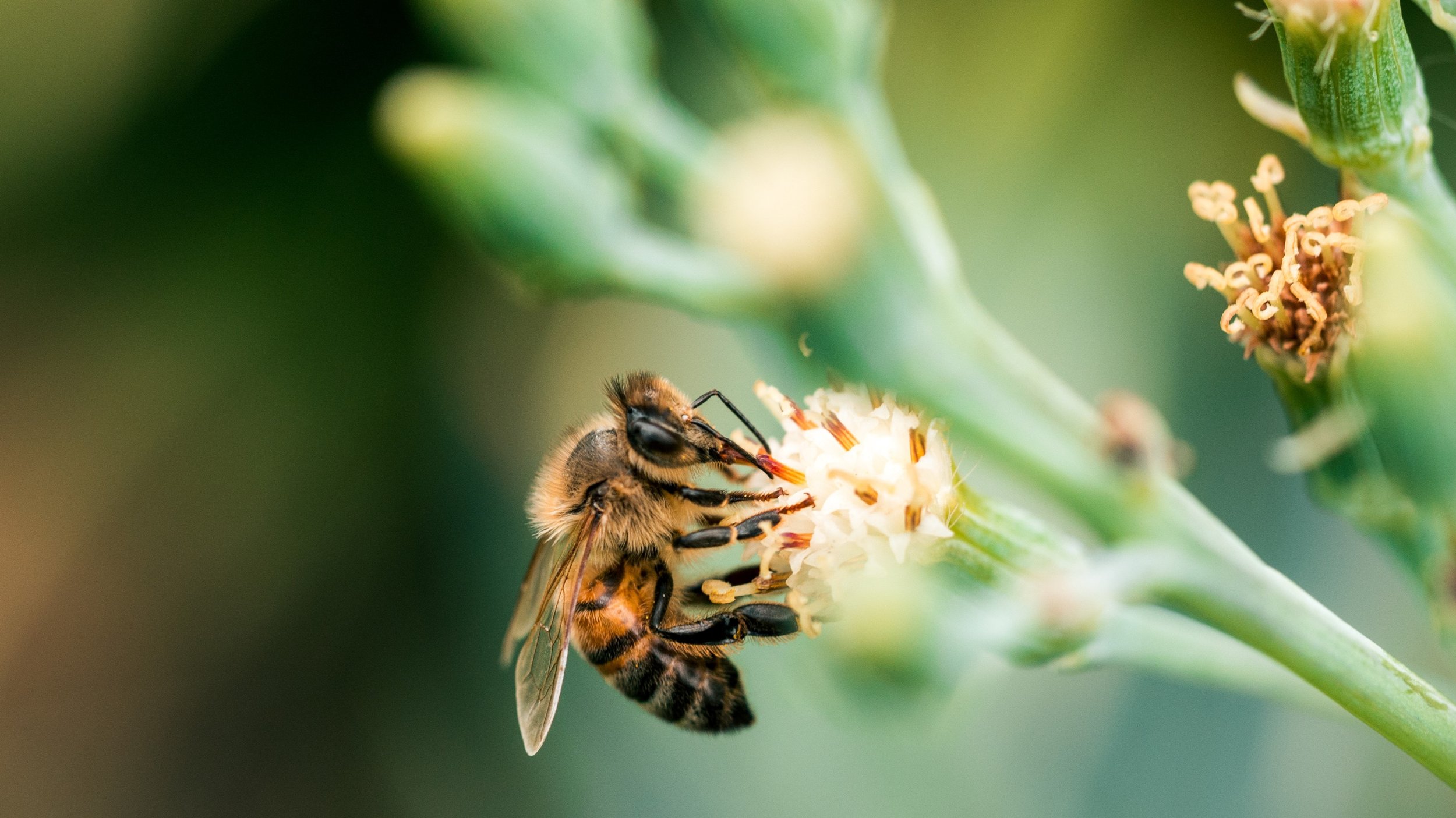
Honey bees play a crucial role in American agriculture, contributing approximately $34 billion annually to agricultural production. Managed honey bees account for over $15 billion in crop value each year through pollination services. About one-third of the food we eat depends on pollinators, including vital crops like almonds, apples, and berries. Despite their importance, beekeepers face increasing pressures from chemical contamination, habitat loss, and economic instability. Supporting healthy bees is essential for food system resilience.
WHY THIS WORK MATTERS
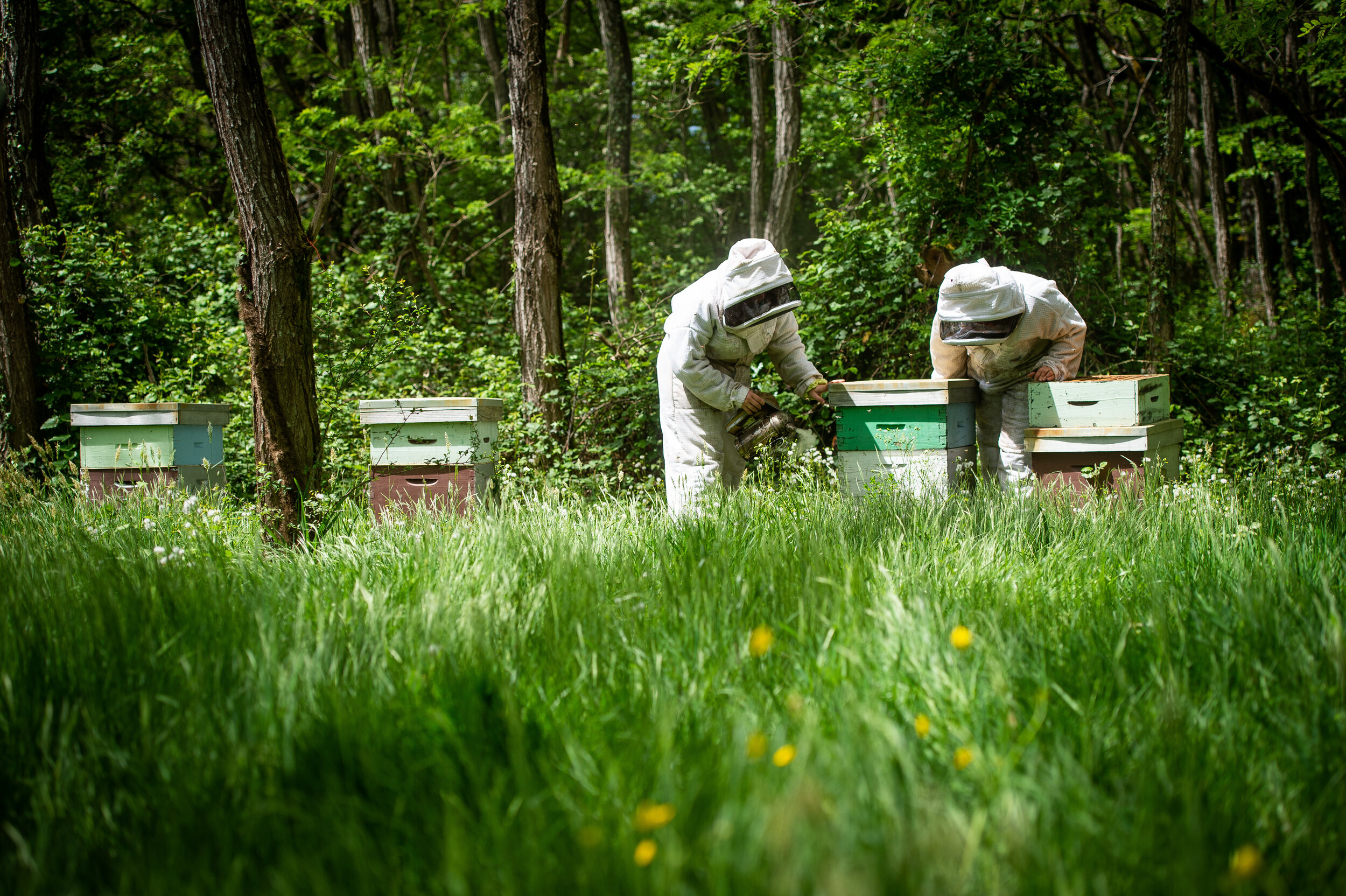
Honey bees are essential to agricultural systems, pollination, and food production. Yet, beekeepers face challenges that threaten both pollinators and honey supply integrity:
Chemical contamination of honey and hive products
Honey adulteration and declining consumer trust
High colony losses and declining bee health
Habitat loss and reduced forage diversity
Economic instability for beekeepers
Supporting U.S. beekeepers in producing clean, verifiable honey is vital for restoring trust in honey, protecting pollinators, and strengthening agricultural ecosystems.
OUR MISSION
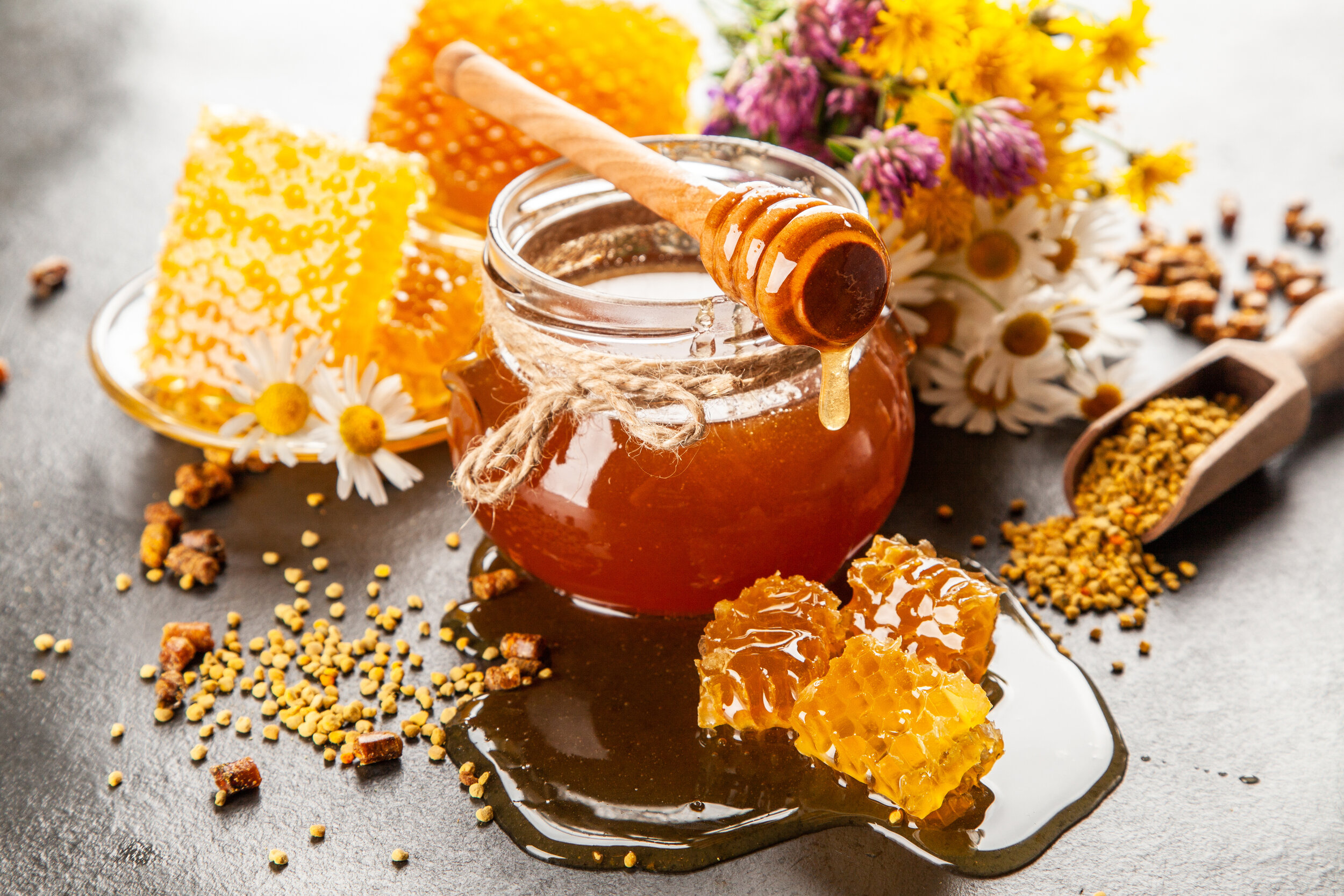
RAWG advances beekeeper-centered systems that support:
Production of clean, verifiable honey
Healthy and resilient honey bee colonies
Biodiverse, regenerative landscapes
Economically viable beekeeping operations
Practical pathways toward regenerative and organic apiculture frameworks
By collaborating directly with beekeepers, RAWG develops scalable models that enhance pollinator health, food transparency, and agricultural resilience.
WHAT RAWG DOES
RAWG coordinates programs connecting beekeepers, researchers, and food system partners to advance honey integrity and regenerative apiculture.
Beekeeper Pilot Programs
Supporting beekeepers across diverse U.S. landscapes by implementing regenerative management practices that enhance honey purity and colony resilience.
Honey Integrity & Verification
Developing testing, monitoring, and traceability systems to verify honey purity and identify contamination pathways.
Applied Research
Collaborating with university partners to study the impact of regenerative apiculture systems on honey quality, bee health, and biodiversity.
Standards & Framework Development
Informing future regenerative and organic frameworks for domestic honey production based on real-world practices.
ACTIVE U.S. PILOT PROGRAMS
RAWG supports pilot initiatives across multiple regions in partnership with commercial and small-scale beekeepers. These programs focus on:
Producing clean, verifiable honey
Monitoring honey purity and contamination pathways
Improving forage diversity and regenerative landscapes
Tracking colony health and overwintering success
Strengthening beekeeper economic resilience
RESEARCH INITIATIVES
U.S. Regenerative Organic Apiculture Project (US-ROAP) A multi-site observational study evaluating how regenerative beekeeping programs influence:
Honey purity and contamination pathways
Honey bee health and colony resilience
Soil health and biodiversity
Beekeeper economic viability
This project aligns with national priorities to strengthen agricultural systems through ecological and economic resilience.
EXPECTED IMPACT
Through pilot programs, research partnerships, and beekeeper collaboration, RAWG aims to generate meaningful outcomes across ecological, agricultural, and economic systems:
Increased production of clean, verifiable honey
Greater transparency in honey supply chains
Improved honey bee health and overwintering success
Increased biodiversity and regenerative landscape outcomes
Stronger economic viability for U.S. beekeepers
SUPPORT THE WORK
Advancing clean honey production and regenerative apiculture requires collaboration across beekeepers, researchers, and food system partners. Your support helps fund:
Beekeeper participation in pilot programs
Honey testing and verification
Research and monitoring
Development of regenerative apiculture frameworks
National program coordination
DONOR LEVELS
-

Sponsor a Hive — $100
Supports a single hive in regenerative pilot programs.
-
Regional Pilot Supporter — $1,000
Supports a cluster of hives, including monitoring and forage support.
-

Observational Study Supporter — $10,000
Funds research on honey purity and bee health.
-

Sponsor a Regenerative Pilot Site — $25,000
Funds the establishment and maintenance of a full pilot site.
-
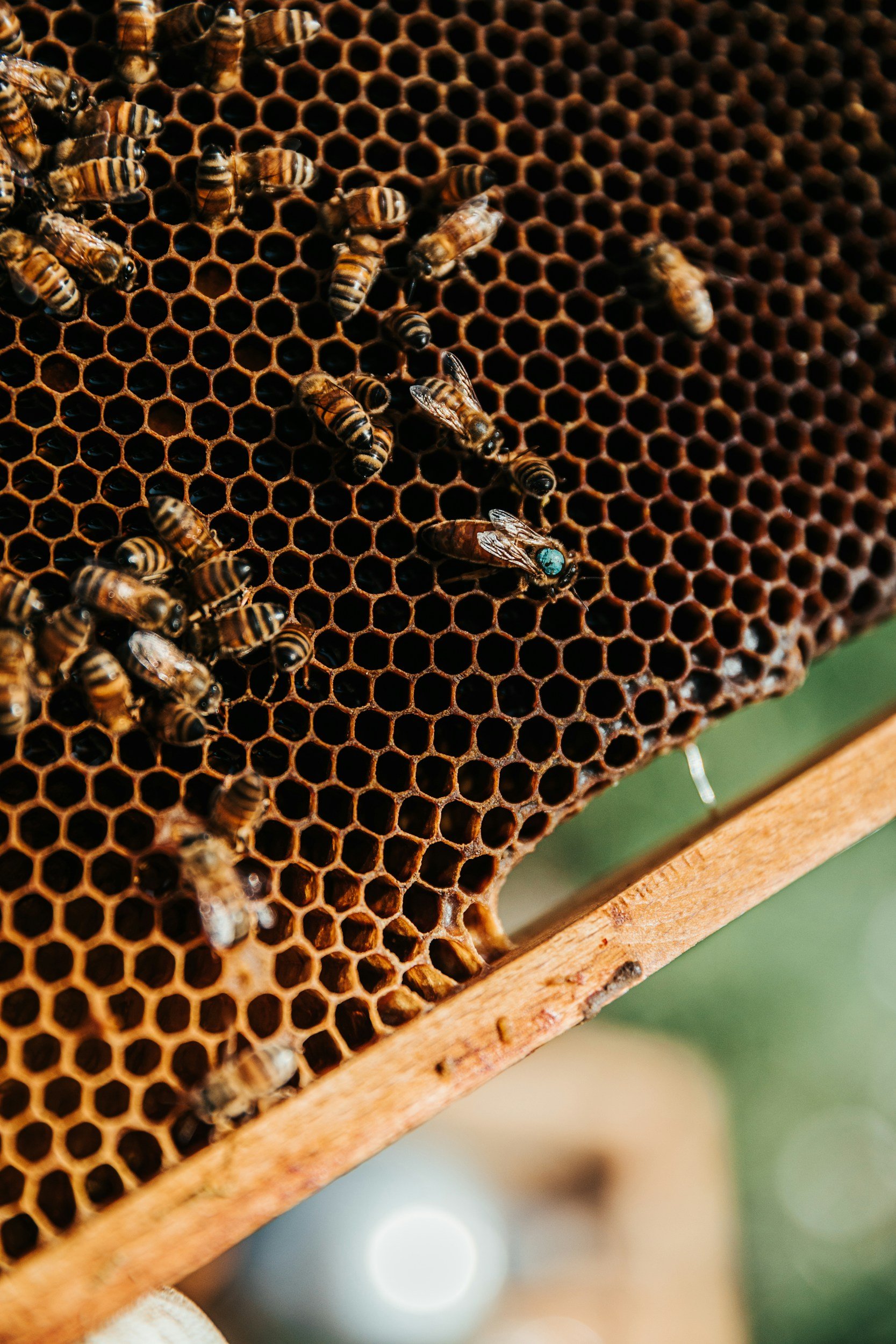
Sponsor Honey Integrity & Testing — $60,000
Expands research and quality testing for regenerative honey programs.
-
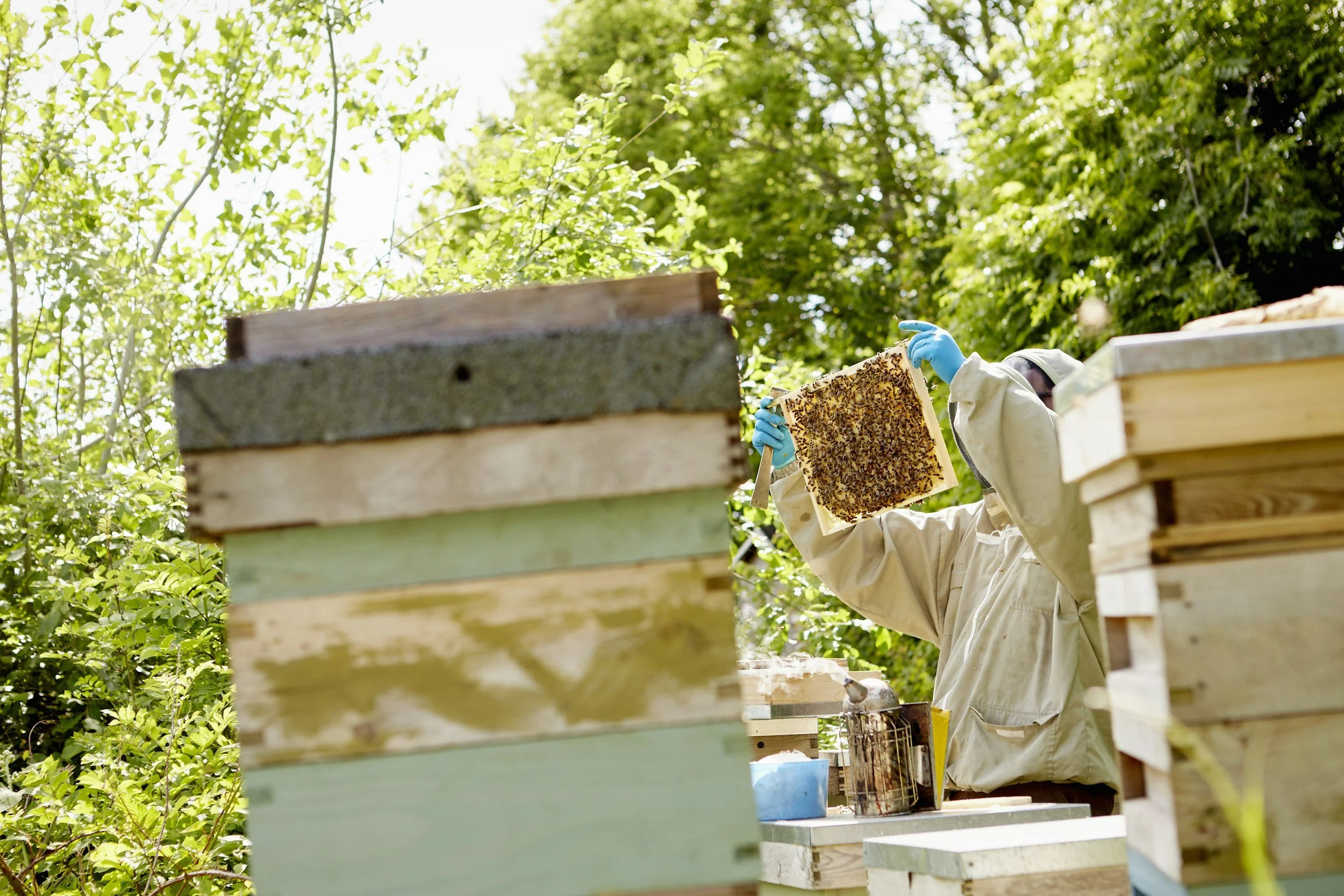
Sponsor a Beekeeper Salary — $85,000
Covers the salary of a skilled program director or lead beekeeper who manages pilot sites and ensures program success.
-
Fund a Full Pilot Program — $250,000
Fully funds a pilot program, including hives, research, leadership, and management.
-
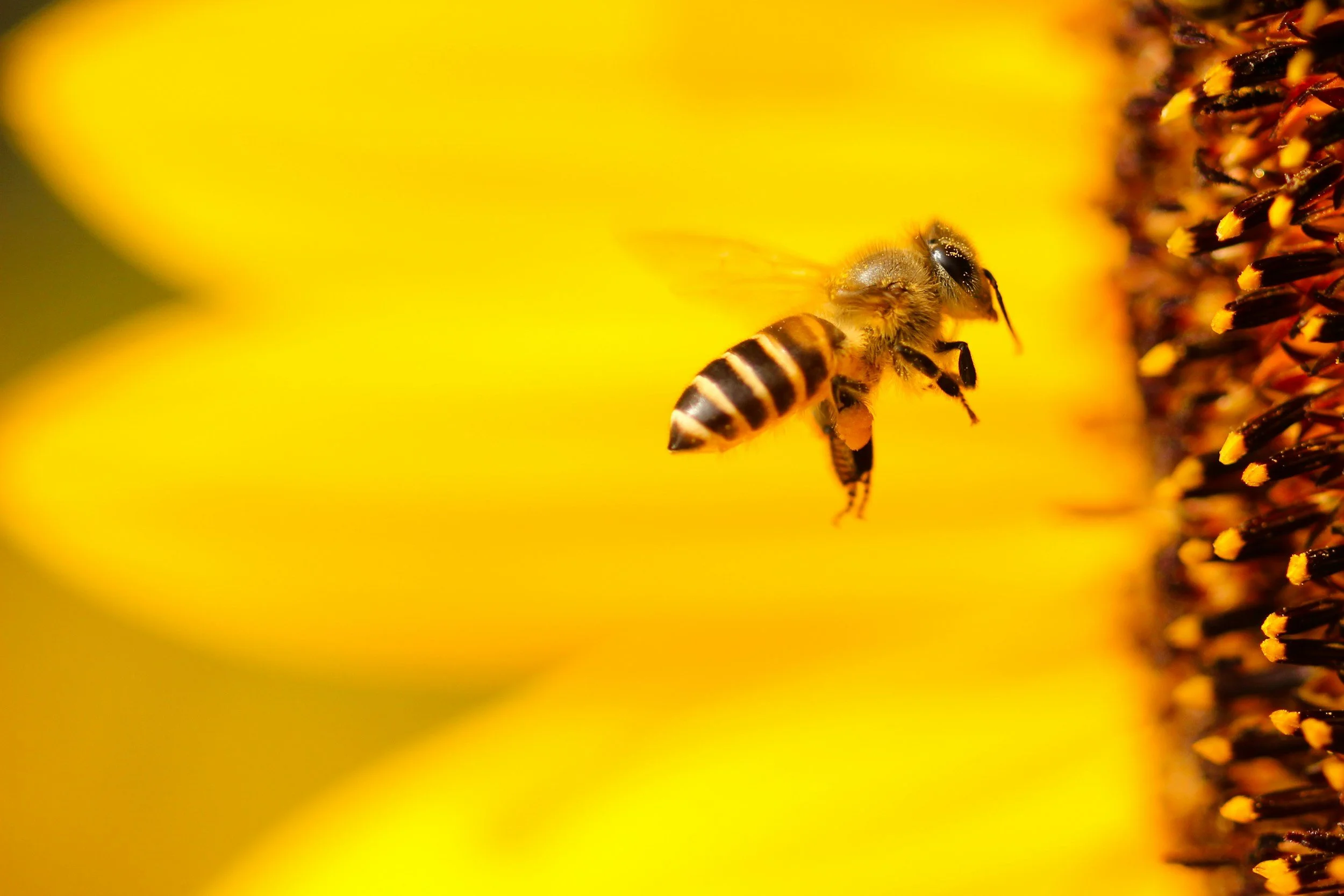
National Regenerative Apiculture Fund — $500,000+
Supports the national expansion of regenerative apiculture programs.
Meet the Team
-
![]()
Douglas Raggio
CHAIR OF RAWG
Founder of Pass the Honey, an individually-portioned honeycomb importer, packager, wholesaler, and retailer. -
![]()
Frank Golbeck
CO-CHAIR OF RAWG
Founder of Golden Coast Mead, an alcoholic beverage manufacturer that produces honey based meads out of Oceanside, CA.
-
![]()
Emily Rajcic
PROGRAM DIRECTOR
Leads RAWG’s regenerative apiculture programs, overseeing pilot sites, hive health research, and community-based initiatives to protect pollinators and strengthen sustainable food systems.




ADVISORY & COLLABORATORS
RAWG partners with various stakeholders, including:
Pilot Program Beekeepers
University & Research Partners
Honey Testing & Verification Partners
Beekeeping Industry Organizations
Food System & Supply Chain Partners
These collaborations ensure that regenerative apiculture programs are grounded in real-world production systems and credible scientific research.
The RAWG supports the following Sustainable Development Goals:


For more information on the 17 Sustainable development goals:



Stay Informed
Subscribe to our newsletter to receive updates on regenerative apiculture, honey integrity research, and beekeeper pilot programs.